
Strategic Reporting: Capital Markets and ESG
Strategic reporting is no longer about how to correctly balance debits and credits. It is about how to effectively “sell” your business model to capital markets. In this subcategory, I deconstruct the masterclass of financial management: from using integrated reporting (ESG) to build investor trust to the practical mechanisms of going public. Master the art of reading and presenting the balance sheet not as a set of historical figures, but as a foundation for attracting investment and scaling the business.

Transforming Board Reporting: From a Data Graveyard to a Strategic Navigator
The Board of Directors shouldn't search for answers in a "data graveyard." A successful strategy begins with transparent management reporting and a Single Source of Truth (SSOT). Learn how a CFO can transform this process.

The “Reverse” Route to Nasdaq: An Accounting Paradox Opening Doors for Ukrainian Business
Discover the "Backdoor Listing" strategy to Nasdaq via SPAC. A CFO explains the accounting of Reverse Mergers, IFRS 3 implications, and navigating NBU restrictions.
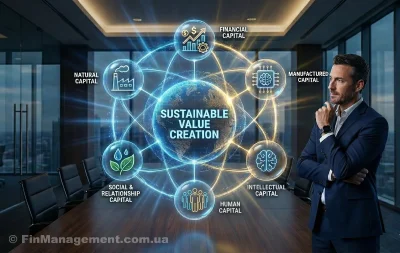
Integrated Reporting: From Voluntary Initiative to the New Standard of Corporate Transparency
Why CFOs and Supervisory Board Members Must Prepare for the New Era of Corporate Reporting Today Introduction: The Evolution of Corporate Reporting: From Figures to a Holistic Vision As a…

The Importance of the Balance Sheet (Statement of Financial Position) for Business Management
Managing a business without a Balance Sheet is like driving blindfolded. Discover why P&L is not enough and how to analyze financial position to avoid bankruptcy.
Explore Related Topics
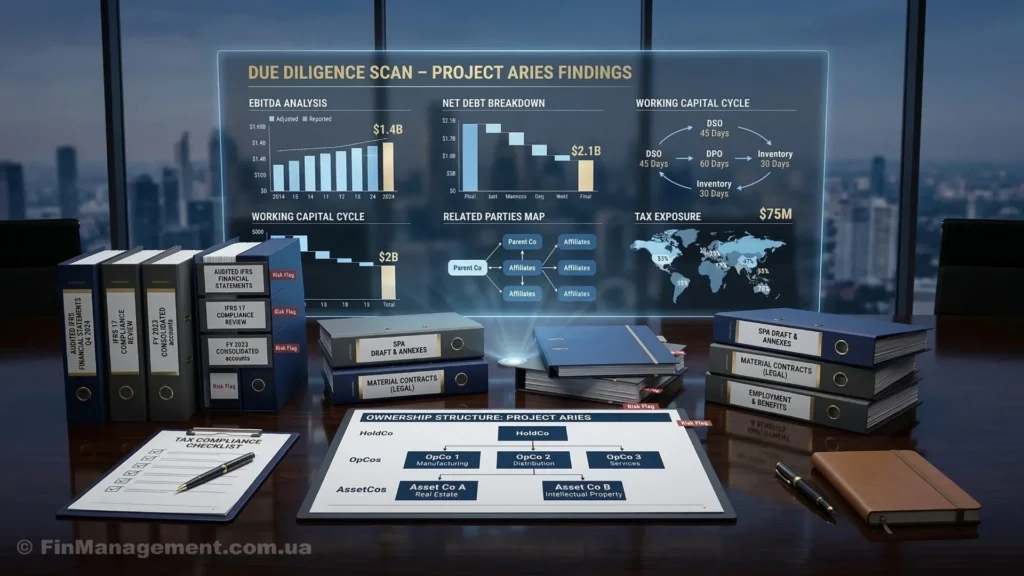
Financial Due Diligence: Preparing Emerging Market Businesses for Institutional Investors
Billions in investment capital are available on the market, but why is your business facing rejections? A successful deal starts not with a flashy pitch deck, but with asset structuring and balance sheet clean-up. Learn how to prepare your company for an institutional investor.
The Conceptual Framework for Financial Reporting: An Analytical Overview
Financial reporting is more than just numbers; it’s about the logic behind them. My article provides a deep analytical dive into the IFRS Conceptual Framework (2018). From the new definitions of assets and liabilities to the complex trade-offs in measurement – this guide connects theory with the practical reality of a CFO’s work. Read the full analysis here.